

Research Update: Title Phyte Systemic Fungicide
6/6/2022 - By Dr. Paul Giordano
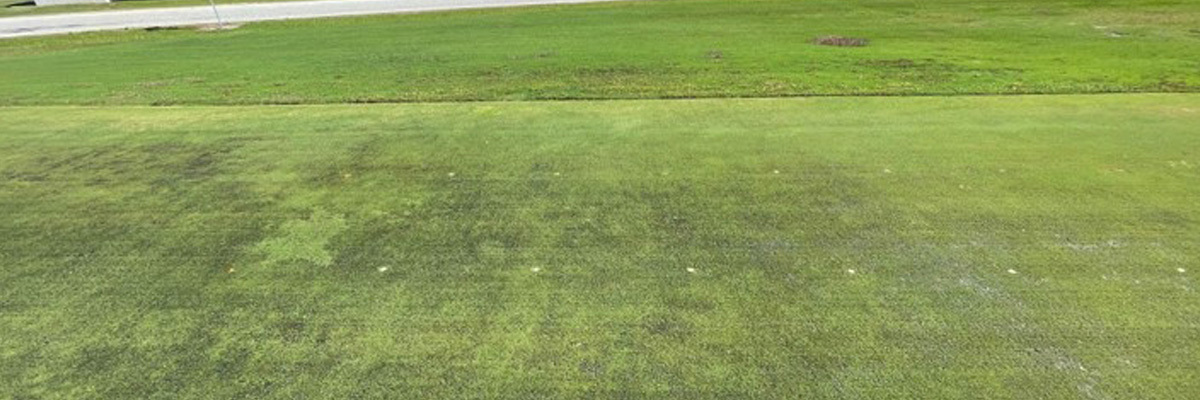
For years, Title Phyte has been among the top nutritional products in the Harrell’sMAX lineup. Manufactured at high temperatures for optimized A.I. load, it is a proven staple in many Balanced Approach programs for plant health and turf quality.
With a 0-0-30 analysis, Title Phyte is a highly effective supplemental source of potassium fertilizer that can translocate systemically throughout the plant. Many years of research have illustrated the benefits of including Title Phyte in a program for improved stress tolerance, better disease control, and optimized plant health.
Now, the same Title Phyte that golf course superintendents have come to know and love is part of the Harrell’s ProtectMAX lineup of plant protection products. With a new look and EPA registration, Title Phyte systemic fungicide is now officially labeled for the control of several important turf and ornamental diseases, including various Pythium diseases like blight and root rot, as well as anthracnose.
Rest assured, this is the same, tried, tested and true formulation with the same 0-0-30 nutritional analysis with a high load of phosphorus acid, one of the highest of any potassium phosphite products in the industry.
We have always known that Title Phyte can play a critical role in controlling important turf diseases at Harrell’s. However, we've recently bolstered our trial work and efforts to better understand how Title Phyte Systemic Fungicide can help control even the most difficult of Pythium outbreaks on golf courses.
Title Phyte Systemic Fungicide Rates and Trials for Prevention of Pythium Blight
Title Phyte® Systemic Fungicide showed excellent control of Pythium blight, on this highly susceptible stand of young perennial ryegrass. Zeroing in on the July 15th rating date, we can see that all Title Phyte treatments were delivering significantPythium blight control compared to the untreated.
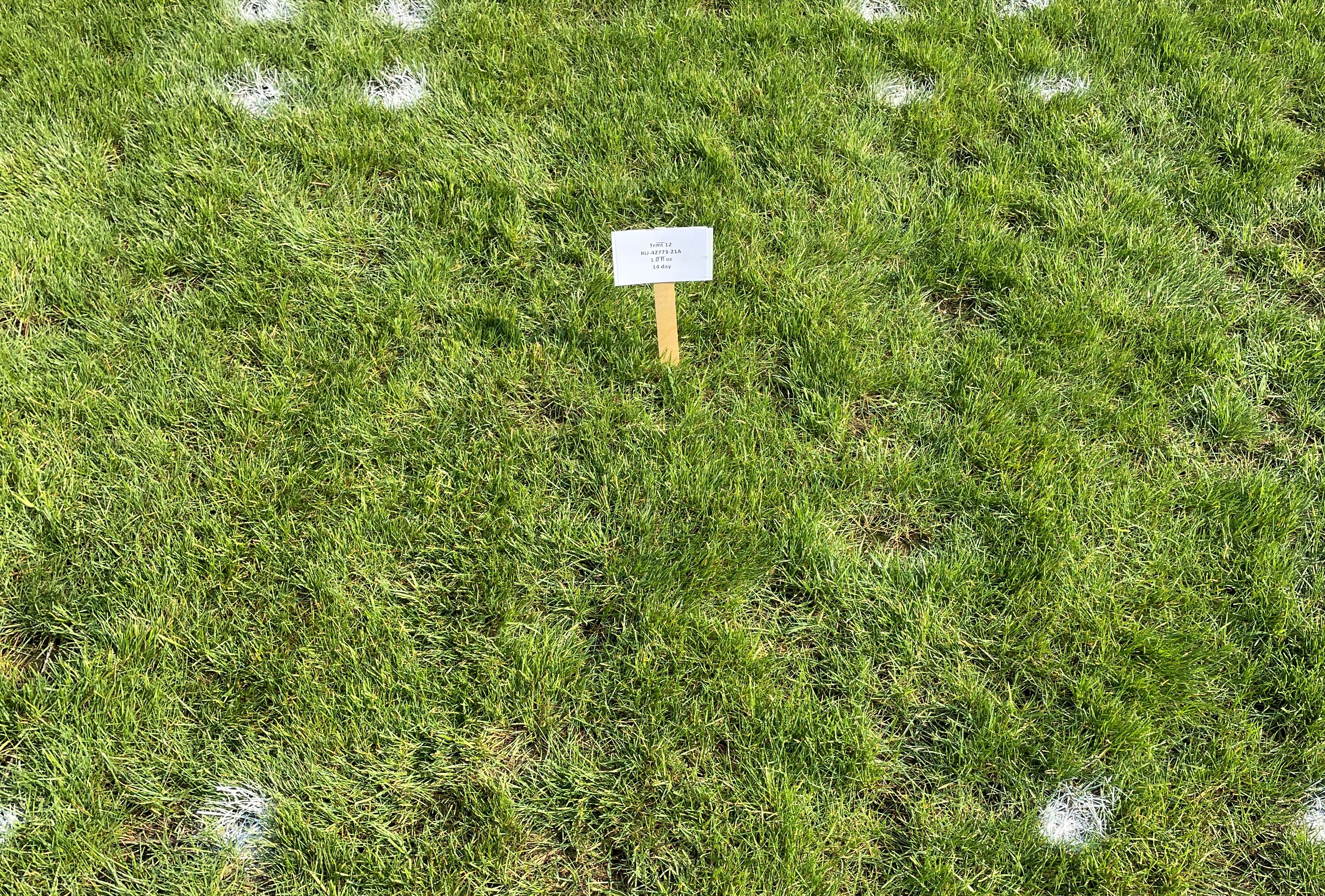
Some significant differences can be seen among fungicide treatments, but notably, the four and six-ounce rates of Title Phyte performed as good as or better than a majority of the current Pythium fungicide standards, keeping the disease under 20% throughout the duration of the trial.
This trial shows how a cost-effective tool like Title Phyte can serve as a foundational product in programs to help prevent the onset and devastation of Pythium Blight throughout the summer months.
Title Phyte Systemic Fungicide Plus Par, Amino Pro V, EarthMAX Organic, and Activator + SA
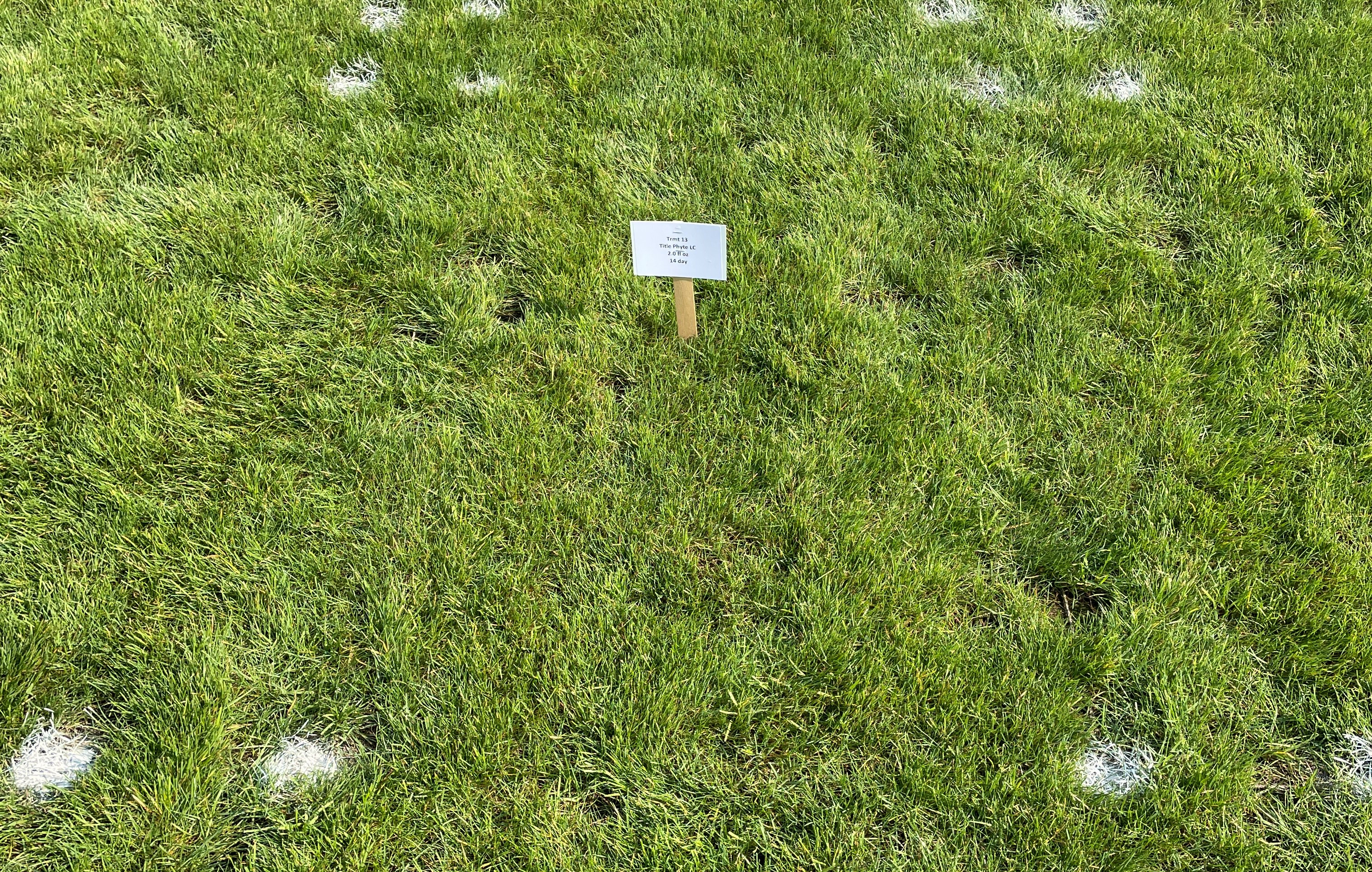
The next trial was also conducted on Pythium blight, but in a slightly different situation. This trial was done in a controlled environment under closely monitored conditions by Dr. Jim Kerns and the great pathology team at NC State University.
The trial used a highly susceptible new stand of perennial ryegrass to ensure optimal disease pressure. Treatments listed here were applied only once and disease infestation was monitored in a growth chamber.
Here we tested Title Phyte at a standard rate of 4 fl. oz per 1,000 square feet and combined Title Phyte with several other common Harrell’s solutions such as Par, Amino Pro V, EarthMAX Organic and Activator + SA.
These treatments were compared to an industry-standard phosphonate-based fungicide in Signature Extra StressGard, which has a similar mode of action on Pythium diseases to Title Phyte.
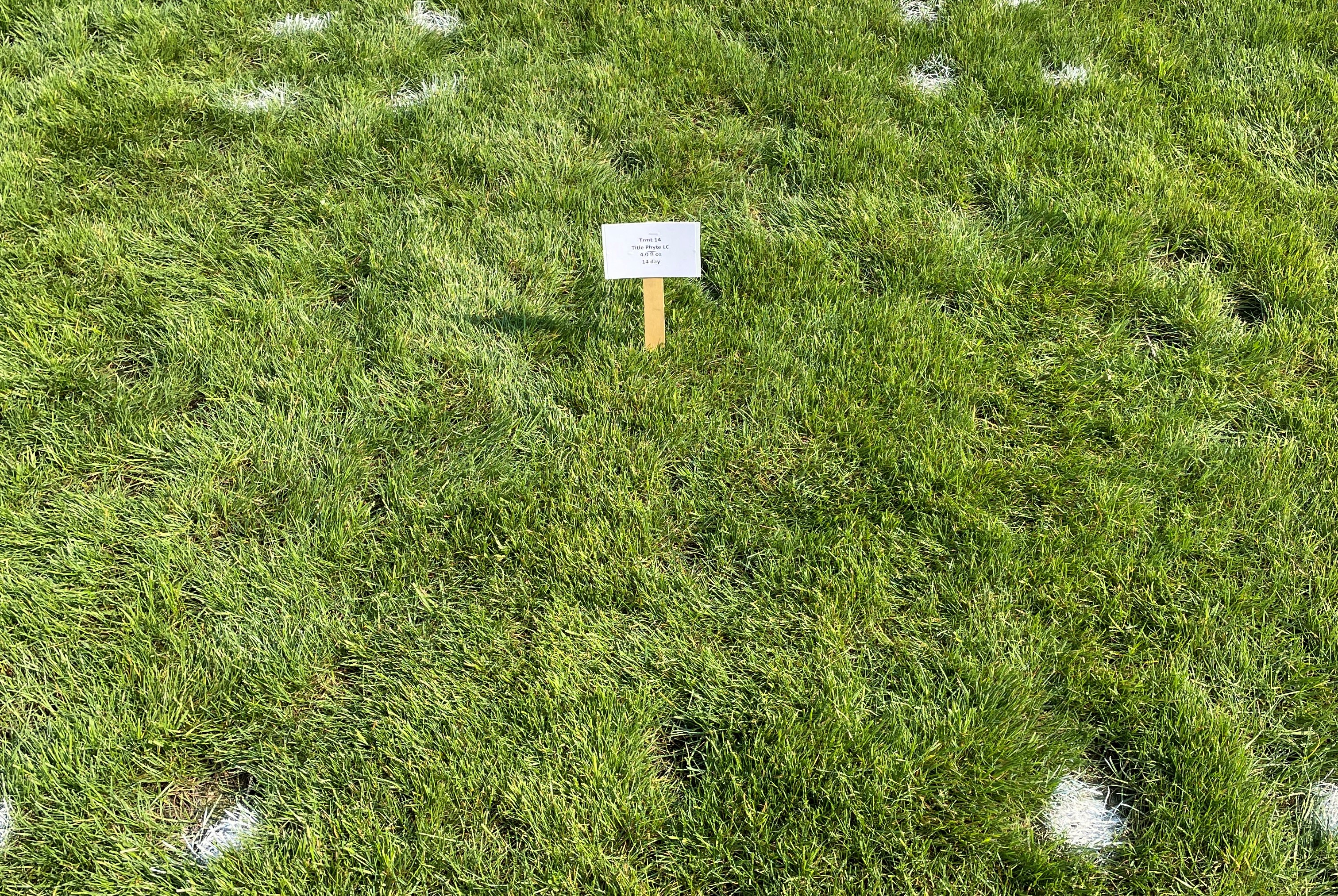
Exploring the Pythium blight data from the NC State trial, we can see that all Title Phyte based treatments significantly controlled disease compared to the untreated which maxed out near 90% overall disease.
These data further support the overall efficacy of Title Phyte Systemic Fungicide on severe Pythium blight, especially when used at the 4 fl. oz per 1,000 square feet rate as a preventive measure and in a programmatic approach with other plant health solutions included in the Harrell’s lineup.
Title Phyte Systemic Fungicide for Pythium Root Rot
Now, let's move into a bit of a different scenario with Pythium root rot.
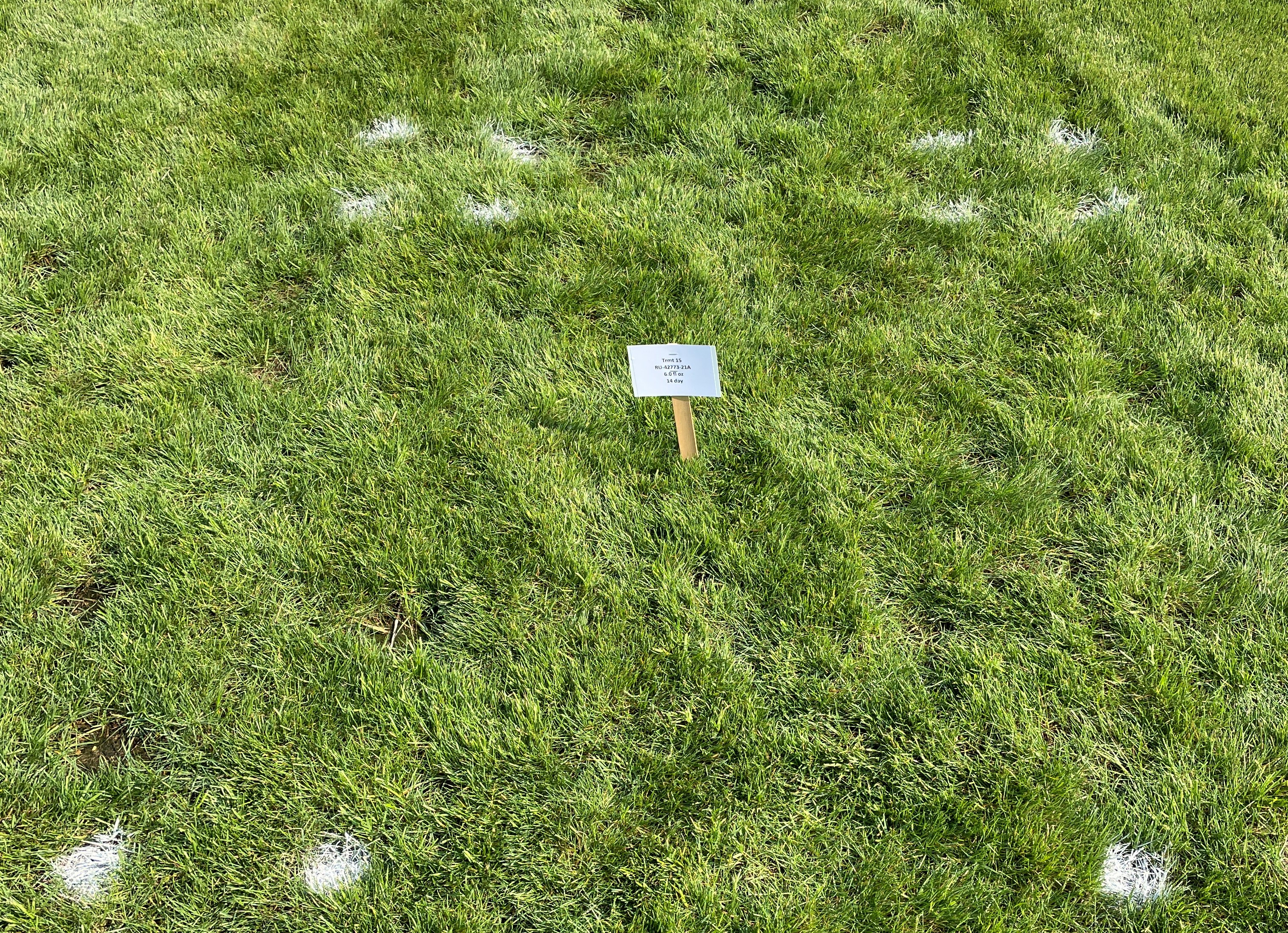
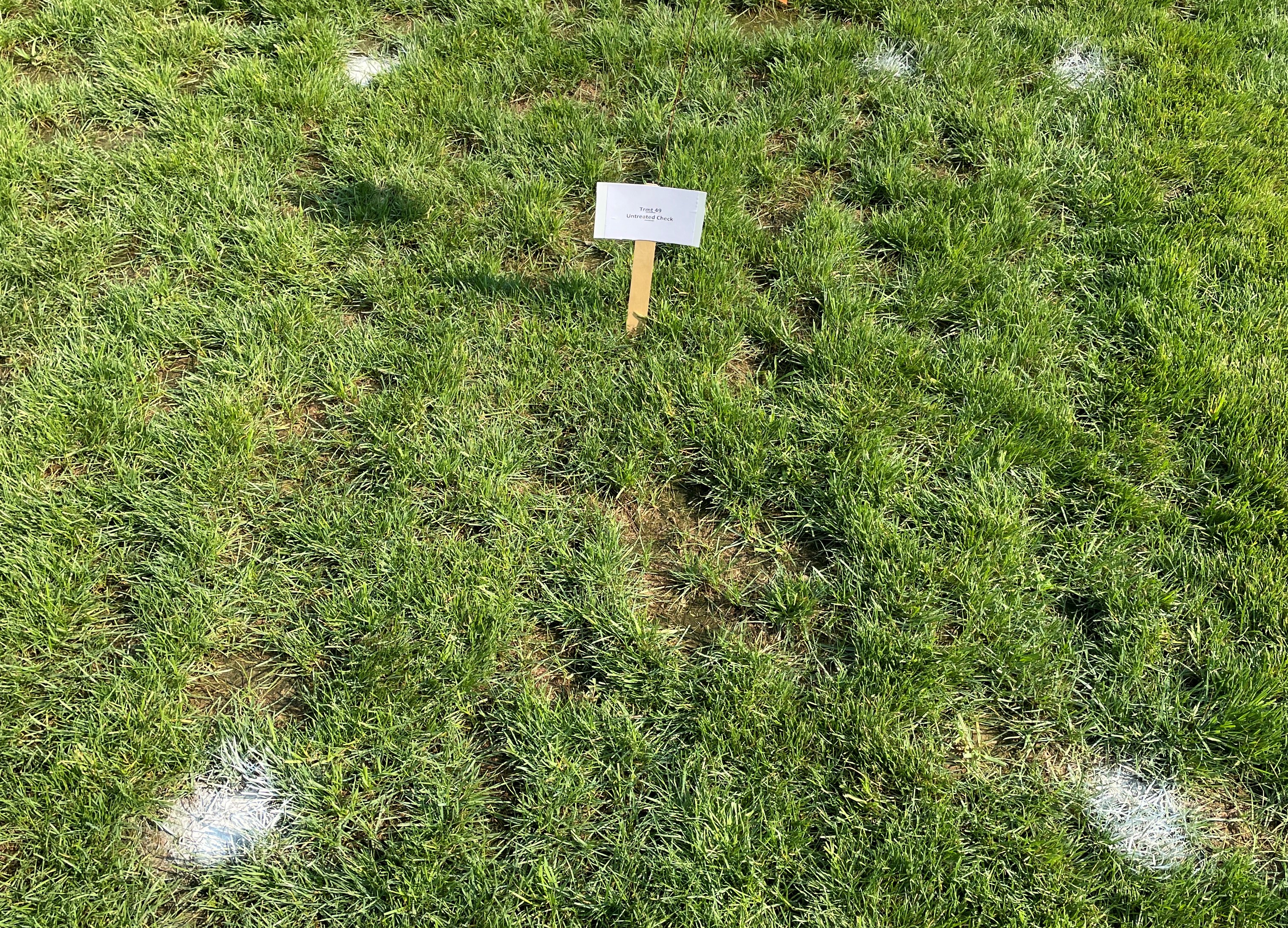
This trial was conducted by Dr. Joe Roberts at Clemson University during the summer of 2021.
As you may know, Pythium root rot can be a difficult and unpredictable disease. This trial looked at the curative effects of Title Phyte on Pythium root rot in the mid-summer in South Carolina. An important note is that this was a curative trial - where treatments were applied after disease symptoms were already present on a creeping bentgrass putting green.
This disease is particularly difficult to control, so our expectations here were relatively low. We can see in this case all treatments were applied on a 14-day interval. Treatments were watered in as this is a Pythium disease that affects primarily the roots of the turfgrass systems, and we want to ensure that these fungicides are getting down into the root zone after application. Specifically, these were watered in with 0.125” of irrigation post-application.
Disease ramped up quickly in this root rot trial, and here we are looking at a cumulative representation of disease incidence from July through August. This AUDPC or Area Under the Disease Progress Curve graph is an effective way to view overall disease pressure and/or disease control throughout the course of a trial period.
The data shows there were no statistically significant differences in Pythium root rot control across the board in this trial. However, we can see a general trend towards disease suppression as we work our way from untreated on the left to the Title Phyte plus Activator + SA on the right.
Title Phyte Combined with Activator + SA Results in Overall Turf Health
Regarding overall turf quality in this Pythium Root Rot curative trial at Clemson, the Title Phyte plus Activator + SA treatments did significantly improve overall turf quality throughout the trial compared to the untreated control. In fact, it was the only treatment to do so in this trial.
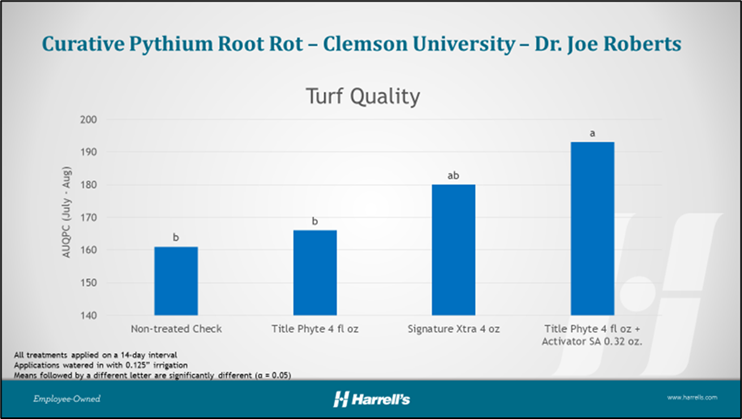
And again, this is an area under the turf quality progress curve. So, it's a representation of overall or cumulative turf quality throughout the duration of this trial.
There was one more additional data point collected in this Pythium root rot curative trial with Dr. Joe Roberts. Brown patch caused by Rhizoctonia solani did show up on the plots.
We can see here that the Title Phyte plus Activator + SA offered significant control of brown patch compared to all other treatments in the trial.
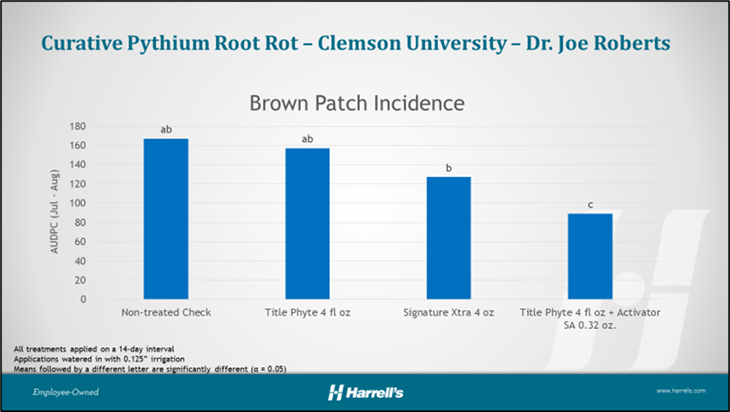
This work at Clemson University pushed the limits for curative control of a difficult disease in Pythium root rot. And while we would not expect a phosphite like Title Phyte to be the silver bullet in curative control, we did learn that programs which include Title Phyte on a regular interval, especially in combination with Activator + SA as a tank adjuvant, can offer benefits in overall turf health, secondary disease control, and Pythium root rot suppression.
Harrell’s and FMC Pythium Root Rot Trial at Clemson University with Title Phyte Systemic Fungicide and Serata
The final trial I'd like to share with you was also a curative Pythium root rot study conducted at Clemson University by Dr. Joe Roberts, also in the late summer of 2021.
This trial was done in collaboration with our friends at FMC and their wonderful development team.
Here we explored the efficacy of Title Phyte and FMC's new Pythium fungicide Serata - which contains the brand-new active ingredient Picarbutrazox.
The research trial was done on a creeping bentgrass putting green with existing Pythium root rot infestations. Treatments were applied on a 14-day interval and watered in after application with 0.125” of post-app irrigation.
The objective with this trial was to determine how Title Phyte and Serata performed alone as well as in combination against elevated levels of Pythium root rot disease pressure.
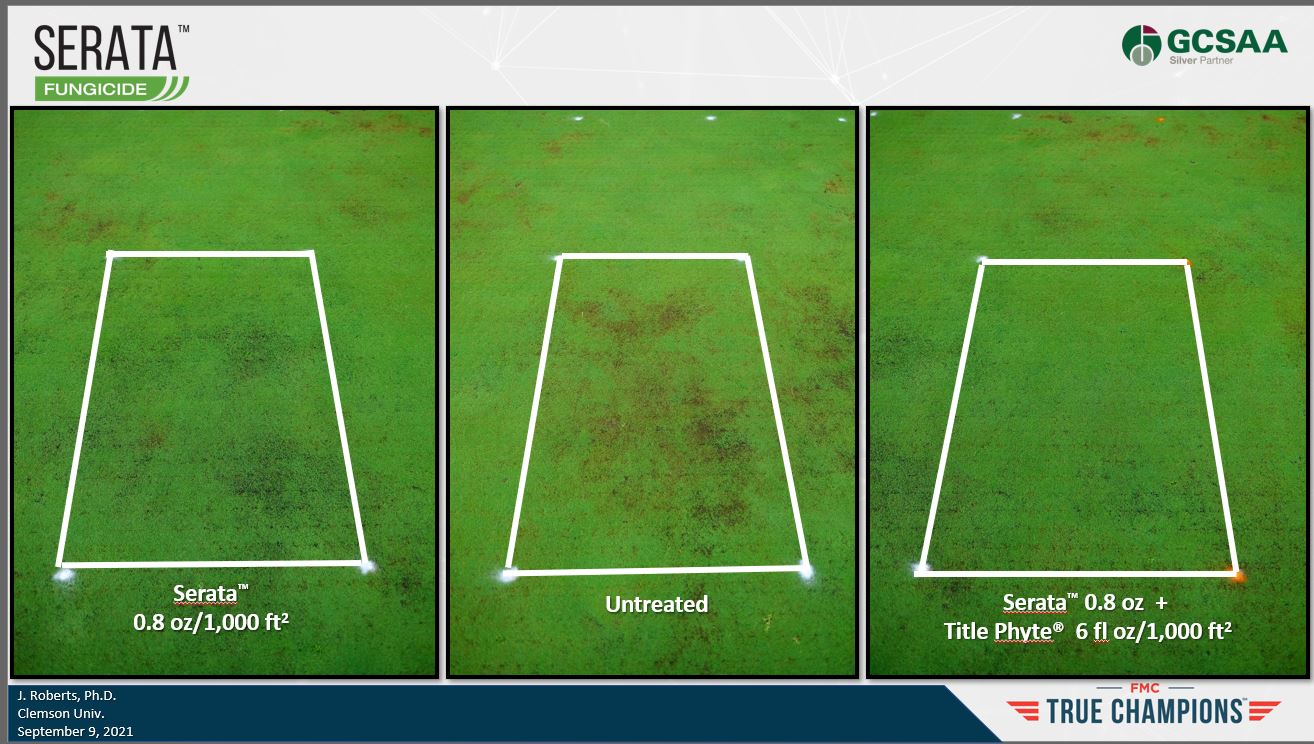
The pictures from this trial tell a great story. Here we see Serata performing quite well on its own at the 0.8 ounces per 1,000 sq. ft. Rate. We also see on the right photo, how adding Title Phyte Systemic Fungicide to Serata resulted in excellent Pythium root rot control as well as suppression of subsequent algae infestations that took place in this trial area.
The data shows that Serata had a significant effect on disease control in two of the three rating dates in this trial, while Serata plus Title Phyte resulted in not only quick knockdown but consistent control in all three rating dates of the trial.
Additionally, it should be noted that Title Phyte alone was able to reduce overall Pythium root rot during peak disease pressure on the final rating date of September 22nd.
Contact Your Harrell’s Rep About Title Phyte Systemic Fungicide
In summary, Title Phyte continues to serve as a staple in agronomic programs and offers excellent control of devastating diseases like Pythium blight and Pythium root rot.
Title Phyte also continues to serve as the cornerstone product of a balanced nutritional approach, allowing for improved overall turf quality, plant health, and supplemental potassium nutrition.
Title Phyte has always been an optimized formulation of potassium phosphite, with quality ingredients and a high load of phosphorus acid - the fungicidal active ingredient in the product.
Title Phyte is also one of only a few phosphonate products that are labeled for disease control, making it a very cost-effective fungicide solution to incorporate into any agronomic program.
We appreciate your time and look forward to continuing our development work on important products like Title Phyte as well as others within our portfolio. If you have additional questions about Title Phyte Systemic Fungicide or any of the other products mentioned, reach out to your Harrell’s rep. If you don’t have a rep yet, find yours at www.harrells.com/sales.
Related Resources

In addition to being the nation’s largest distributor of branded fungicides, herbicides, and insecticides, Harrell’s produces custom-blended fertilizers, specialty liquids, and wetting agents. Additionally, Harrell’s is the exclusive US owner, formulator, and distributor of all POLYON® branded products.
TEAM HARRELL'S
STAY EQUIPPED
Never stop learning. Access FREE continuing education courses from Harrell’s.
LET'S GROW
PRESS RELEASES
PRESS RELEASES
STAY EQUIPPED
Never stop learning. Access FREE continuing education courses from Harrell’s.
LET'S GROW