

The Importance of Water Quality in Plant Health
4/8/2021
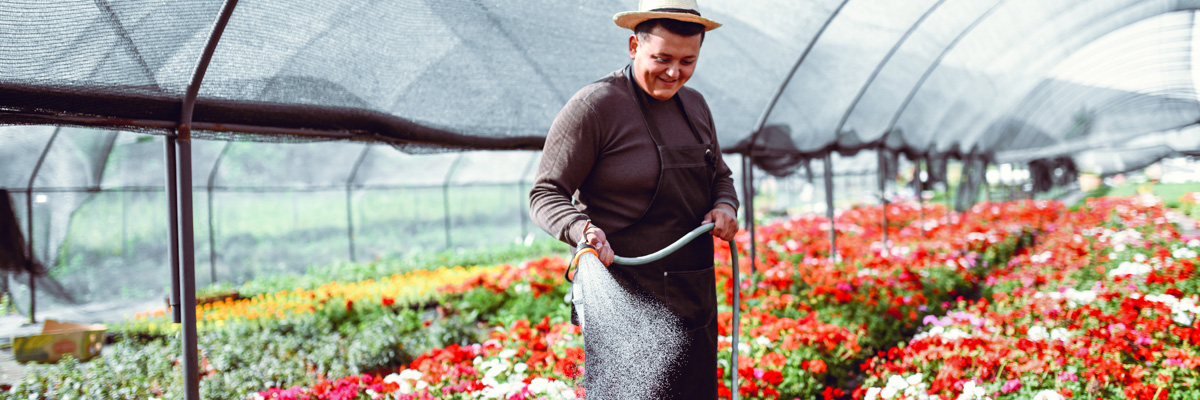
Water is one of the four essential pieces to healthy plant growth. Alongside sunlight, nutrients and media, without water you can’t get very far. This being said, it shouldn’t be surprising that water with a high salt content can have detrimental effects on healthy plant growth, and the overall sustainability of your crops.
Water quality plays a key role in nutrient delivery and absorption. If the quality of your water goes down, then the first thing to consider is the pH level. If the pH goes up, then the intake of micronutrients such as iron, magnesium and manganese, could be adversely affected. In Florida, due to the limestone aquifers causing high calcium and magnesium levels, high pH water is very normal. However, the majority of the time we are able to work with the water. With the help of fertilizers and (in more extreme cases) acid injection systems, pH can be held at an acceptable range for growth and development.
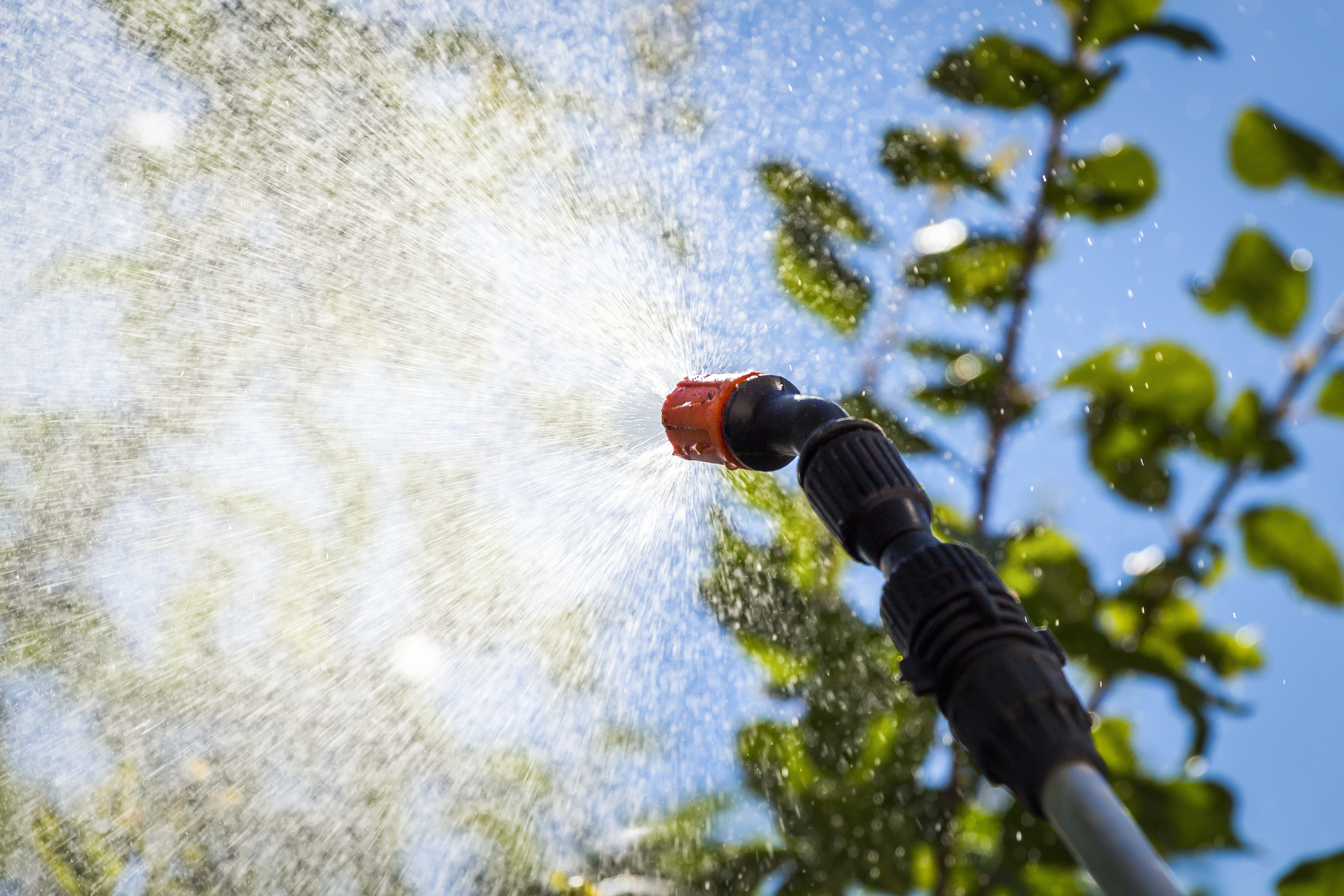
A deeper problem in Florida, is the intrusion of salt water from deep wells. The combination of sodium and chloride is not only toxic to plants, causing drought stress even in areas where plants are well irrigated. A great counter to this problem is both calcium and potassium, mitigating the damage by replacing the sodium molecules themselves, which both Harrell’s MAX® Salt Rx as well as Gypsum do a great job in countering. Avoiding overhead irrigation, if you are unable to “fix” the problem, can greatly minimize overall damage as well.
If all of this wasn’t reason enough to check your irrigation water, I highly recommend going out and giving it a look.
Related Resources

In addition to being the nation’s largest distributor of branded fungicides, herbicides, and insecticides, Harrell’s produces custom-blended fertilizers, specialty liquids, and wetting agents. Additionally, Harrell’s is the exclusive US owner, formulator, and distributor of all POLYON® branded products.
TEAM HARRELL'S
STAY EQUIPPED
Never stop learning. Access FREE continuing education courses from Harrell’s.
LET'S GROW
PRESS RELEASES
PRESS RELEASES
STAY EQUIPPED
Never stop learning. Access FREE continuing education courses from Harrell’s.
LET'S GROW